Colombo Pettah Street Stall Accepts Lankan Rupee Cash But Rejects Card Midweek
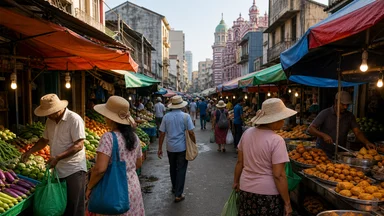
Colombo's Pettah market is a sprawling wholesale and retail hub where vendors sell everything from fresh produce to street food. But midweek, a traveler quickly learns that cash is king. Most stalls reject cards, and ATMs nearby often run out of rupees by late morning. This plain-spoken guide covers the practical logistics of visiting Pettah — payment realities, hours that shift with the monsoon, hygiene cues locals watch for, and which foods are worth the risk. It's based on repeated visits and conversations with vendors, not influencer narratives.
Cash-Only Reality at Colombo's Busiest Market
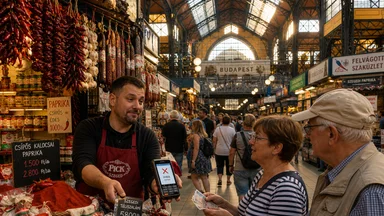
Pettah operates on a cash economy. The majority of stalls, especially those selling produce and street food, do not accept credit or debit cards. This is true even in 2026, despite the proliferation of digital payment apps globally. Vendors cite transaction fees, unreliable internet, and the preference for immediate settlement as reasons for sticking with Sri Lankan rupees.
Midweek, the situation is even more pronounced. Weekend crowds may justify the hassle of setting up a card machine for some larger stalls, but Tuesday through Thursday, most vendors do not bother. Travelers should carry enough cash for the entire morning. Small denominations — 50 and 100 rupee notes — are especially useful for quick purchases from carts and tiny stalls.
ATMs are clustered around the market's edges, particularly along Main Street and near the Pettah bus stand. However, they frequently run out of cash by 10 or 11 am, especially after a long weekend. Some machines dispense only larger 2000 rupee notes, which many small vendors cannot change. It is wiser to withdraw cash at a bank branch in Colombo Fort before heading into Pettah.
Digital payment, such as LankaPay or QR code transfers, is rare among street vendors. A few larger spice and textile shops may accept cards, but they often impose a 2-3 percent surcharge. For the traveler, the simplest approach is to treat Pettah as a cash-only zone and plan accordingly. Carry money in multiple pockets or a money belt to avoid flashing a thick wallet.
Opening Hours That Shift With Monsoon Rains
Pettah's official opening hours are loosely from 5 am to 9 pm, but the real action happens early. Wholesale trade peaks between 5 am and 9 am, when farmers and distributors arrive with fresh produce. By 2 pm, many stalls begin to close or reduce activity. Midweek, the pace is slower, with fewer tourists and local shoppers.
Monsoon rains, which typically hit Colombo from May to September and again in November to January, drastically affect vendor turnout. On heavy rain days, many fruit and vegetable vendors simply stay home. Those who do open may close by noon. The market's narrow, covered alleys offer some shelter, but open-air sections become slippery and crowded with umbrellas.
Wednesday morning is often the least crowded day of the week. Local shoppers tend to visit on weekends, while Monday sees a surge after the Sunday closure of many shops. For a more relaxed experience, aim for a Tuesday or Wednesday arrival around 7 am. The first hour after opening is when the best produce arrives and the food stalls are freshest.
Checking the local weather forecast before going is a practical habit. If heavy rain is predicted, it may be worth postponing the visit. The market is still worth seeing in light drizzle, but a torrential downpour turns alleyways into streams and makes food hygiene harder to assess. Locals often say, "If it's pouring, stay home — the vendors will be grumpy and the food will be cold."
Hygiene Cues Locals Watch For
Hygiene standards in Pettah vary widely. Locals do not rely on health department ratings or glossy signs. Instead, they watch specific cues. The first is whether food is kept covered. Freshly fried items under a mesh screen or glass case are generally safer than those left open to dust and flies. Stalls that cover their produce with clean cloths or plastic sheets signal care.
The second cue is the vendor's hand-washing habits. Watch whether the person handling money also touches the food without washing. Many vendors use a small bowl of water and a cloth to wipe their hands between transactions. Those who do not are best avoided. A crowded stall often means trusted — locals know which vendors maintain cleanliness over years.
Flies are a reliable indicator. If a stall has more than a couple of flies on the produce or food, it is a sign that the items have been sitting out too long. Freshly fried items, like fish cutlets or vegetable rolls, are safer than raw salads or cut fruit. The heat of the oil kills most bacteria, and the turnover is usually fast enough to prevent spoilage.
Another local habit is to observe the vendor's own lunch. If they eat from their own stock, that is a strong endorsement. Avoid stalls where the vendor looks unwell or handles food with dirty fingernails. In general, food that is cooked to order — like kottu roti or egg hoppers — is riskier in terms of wait time but safer in terms of freshness, because it is prepared right in front of you.
One counter-argument to this approach is that even busy stalls can have lapses. A vendor may be popular for their low prices but cut corners on cleanliness during rush hours. It pays to observe for a few minutes before committing. Also, some hygienic-looking stalls may use recycled oil or old ingredients. Trust your nose: if the oil smells rancid or the spices lack aroma, move on.
Street Foods Worth the Risk
Pettah offers a range of street foods that are both delicious and reasonably safe if chosen carefully. Kottu roti is a staple — chopped flatbread stir-fried with vegetables, egg, and optional meat, made fresh per order. The vendor uses two metal blades to chop the roti on a hot griddle, a theatrical process that also ensures the food is cooked thoroughly. Look for stalls with a steady queue of locals.
Egg hoppers, the bowl-shaped fermented rice pancakes with a soft-cooked egg in the center, are sold from wheeled carts in the morning. They are typically made to order and served with a spicy sambol. The batter is fermented overnight, so the acidity helps prevent spoilage. A fresh hopper should be crisp on the edges and soft in the middle. Skip any that look soggy or have been sitting under a heat lamp.
Sri Lankan short eats — samosa-like pastries filled with fish, potato, or chicken — are popular midday snacks. They are deep-fried and often kept in a warming tray. Choose ones that have just come out of the oil, not those that have been sitting for hours. Fresh mango slices with chili salt are a refreshing, low-risk option because the peel is intact and the vendor cuts it in front of you.
Raw salads and unpeeled fruit should be avoided. The water used to wash them may not be safe for foreign stomachs. Stick to fruit that you peel yourself, like bananas or oranges. Another safe bet is boiled or roasted corn on the cob, brushed with lime and chili. The heat treatment and the fact that it's served in its husk reduce contamination risk.
For those with a more adventurous palate, consider trying isso vade (prawn fritters) or parippu vade (lentil fritters) from stalls that fry them fresh. These are crispy, hot, and typically served with coconut chutney. The key is to watch the oil temperature: if the oil is not bubbling when the batter goes in, the vade will be greasy and undercooked. Also, avoid any vade that looks dark brown, as that indicates old oil.
Navigating the Market's Maze
Pettah's layout is a grid of narrow streets, with Main Street and 1st Cross Street forming the central spine. Side alleys branch off into specialized sections: textiles, electronics, spices, and fresh produce. It is easy to get disoriented. A useful trick is to note the nearest mosque or temple as a landmark. The Jami Ul-Alfar Mosque, with its red-and-white striped facade, is visible from many points.
Most produce vendors sell by weight, not by piece. They use a balance scale with metal weights. It is worth watching the weighing to ensure you are not shortchanged. For non-food items like clothing or souvenirs, bargaining is expected. Start at about half the quoted price and negotiate up. Midweek, vendors may be more willing to negotiate because foot traffic is lower.
Keep small bills handy. Handing a 2000 rupee note for a 50 rupee purchase can frustrate vendors who may not have change. Many stalls operate on thin margins and need to keep small denominations for other customers. Breaking large notes at a nearby tea shop or pharmacy before entering the market is a good strategy.
Wear closed shoes. The floors in Pettah are often wet from spilled water, fish runoff, or rain. Open sandals invite mud and potential cuts from broken glass. A hat and sunscreen are useful for open areas, though much of the market is shaded by awnings. A reusable bag is essential for carrying purchases, as plastic bags are increasingly discouraged.
An alternative to navigating on your own is to hire a local guide for a short tour. Some young Sri Lankans offer informal walking tours of Pettah for around US$ 5–10 per person. They can point out the best stalls and help with language. However, this adds a layer of cost and may limit spontaneous exploration. Weigh the convenience against the freedom to wander at your own pace.
What Not to Buy Midweek
Not everything in Pettah is a good buy, especially midweek. Seafood should be avoided after 10 am. The fish market operates early, and by late morning, the catch has been sitting out in the heat. Unless you can verify it was caught that morning and kept on ice, it is safer to skip. The same applies to pre-cut fruit, which may have been sitting for hours.
Spices sold in bulk from open sacks lack labels and may be adulterated. While the aroma is enticing, the quality is inconsistent. For packaged spices with clear origin and date, visit a dedicated shop like the Good Market or a supermarket in Colombo. Imported snacks — such as Pringles or KitKats — cost roughly triple the price in Pettah compared to a regular store, because they are marketed to tourists.
Souvenir stalls in the market's interior are often overpriced on weekdays. Vendors expect tourists and quote high prices for items like wooden masks, batik fabrics, and gemstones. If you are not an expert, it is easy to overpay. For better value, visit the Laksala government-run handicraft shop in Colombo Fort, where prices are fixed and quality is guaranteed.
Another category to skip is electronics and mobile accessories. Many are counterfeit or refurbished without disclosure. Stick to authorized dealers in the city for anything with a warranty. The rule of thumb in Pettah is: if you cannot verify the product's authenticity or freshness, pass it by. The market is best for perishable food and everyday goods, not for high-value purchases.
A trade-off worth considering: while it's wise to avoid high-value items, some travelers find genuine bargains in textiles and brassware if they know what to look for. For instance, handloom sarongs or brass lamps can be 30–50 percent cheaper than in tourist shops, provided you haggle. The catch is that you need to distinguish machine-made from handmade. Look for uneven weaves or slight imperfections as signs of authenticity.
Packing for a Morning at Pettah
A successful morning at Pettah starts with the right gear. Cash is the priority — carry it in multiple pockets or a slim money belt. Divide it so that if you lose one stash, you still have backup. A reusable bag is essential for carrying produce, snacks, or small purchases. Most vendors do not provide bags, and plastic bags are increasingly taxed.
Hand sanitizer and wet wipes are practical. You will touch money, produce, and railings. Washing hands before eating is not always possible at street stalls. Wet wipes also help clean sticky fingers after handling fruit or fried food. A water bottle is important for staying hydrated in Colombo's heat. Refill it at your hotel or at a reputable shop; avoid drinking tap water.
Sunscreen and a hat are necessary for the open sections of the market, especially around the vegetable and flower markets. The sun is intense even in the morning. A lightweight, long-sleeved shirt offers sun protection and can be rolled up when the heat becomes oppressive. Closed-toe shoes with good grip are recommended for wet, slippery floors.
Finally, bring a small notebook or phone with a note-taking app. You may want to jot down the names of stalls or products you want to return to. The market is vast, and without landmarks, it is easy to lose a good find. A local SIM card with data helps you check maps or translate Sinhala signs. But remember: the best guide is still the vendors and shoppers themselves. Watch what they do, and follow suit.
One more item to consider: a small umbrella or a lightweight rain jacket. Even if the forecast is clear, Colombo's weather can change quickly during monsoon months. A sudden shower can catch you off guard, and while the covered alleys offer some protection, you may need to walk between sections. A packable rain jacket takes up little space and can save you from getting soaked.
Timing Your Visit for Maximum Value
The time of day and day of week significantly affect your experience in Pettah. Early morning, around 6 am to 8 am, is when the market is most vibrant. Wholesale buyers haggle over crates of vegetables, and the air is filled with the clatter of scales and the shouts of porters. This is also when food stalls are at their freshest, having just prepared their first batches of the day.
Mid-morning, from 9 am to 11 am, sees a mix of retail shoppers and tourists. The pace is slightly slower, and some produce may already be picked over. This is a good time for browsing non-food items, as vendors are more relaxed and willing to chat. However, by 11 am, the heat intensifies and the market becomes more crowded with latecomers.
Lunchtime, around noon to 1 pm, is a lull. Many vendors take a break, and some stalls close temporarily. If you are there for food, you may find limited options as popular stalls sell out. The afternoon, from 2 pm onwards, sees a gradual winding down. By 4 pm, many produce stalls have closed, and the market feels emptier. For a full experience, aim for the morning window.
An alternative perspective: some travelers prefer visiting in the late afternoon for the bargain prices. Vendors are more willing to negotiate on remaining stock rather than haul it back. This works best for non-perishable items like spices or textiles. For fresh food, though, the morning is unbeatable. Weigh the trade-off between lower prices and product quality.
Cultural Etiquette and Safety Tips
Pettah is a working market, not a theme park. Respect the vendors' time and space. Avoid blocking narrow aisles while taking photos. Always ask permission before photographing a vendor or their goods. A smile and a nod go a long way. Learn a few Sinhala phrases: "istuti" (thank you) and "kohomada" (how much) are useful.
Safety in Pettah is generally good, but petty theft can occur in crowded areas. Keep your bag zipped and in front of you. Avoid wearing flashy jewelry or carrying expensive cameras openly. Use a cross-body bag with a zipper. If you feel uncomfortable, move to a busier area or step into a shop. Trust your instincts.
For female travelers, dress modestly out of respect. Long skirts or trousers and covered shoulders are appropriate. You will attract less unwanted attention and feel more comfortable. Traveling in a group, even a pair, can deter potential hasslers. If you are alone, avoid wandering into very quiet side alleys.
One final tip: keep your phone charged. You may need to call a tuk-tuk or check a map. Power banks are inexpensive and worth carrying. In case of an emergency, the nearest hospital is the National Hospital of Sri Lanka in Colombo Fort, about a 10-minute tuk-tuk ride from Pettah. Know the number for emergency services: 110 for police, 1990 for ambulance.